Article: Year-End Capital Planning for Commercial Grow Facilities
Year-End Capital Planning for Commercial Grow Facilities
The last quarter of the year is when most cultivation and processing teams settle next year's budget, and it is often the last practical window to get equipment ordered, installed and running before the books close. A little structure now keeps you from rushing a lighting retrofit in December or carrying an unplanned climate upgrade into a busy spring.
This guide walks through how commercial operators can sort capital projects, line up rebates and tax timing, and avoid the year-end scramble.
Start with an equipment audit, not a wish list
Before anyone builds a spreadsheet of new purchases, walk every room and record what is actually limiting production. The useful questions are simple:
- What failed or nearly failed this year? Dehumidifiers that couldn't hold setpoint in late flower, pumps that were rebuilt twice, drivers that keep tripping.
- What is costing you the most to run? Legacy HID fixtures and undersized climate equipment usually top the list.
- Where is labor going? Hand-watering, moving plants between fixed benches and manually mixing nutrients are all signs of a process that equipment could tighten up.
- What is the facility plan for the next 12–24 months? A room you plan to rebuild in eighteen months is a poor candidate for a stopgap upgrade.
Rank what you find in three buckets: must replace (safety, crop loss risk, failing equipment), strong payback (energy, labor or yield-consistency gains you can estimate) and nice to have. Only the first two belong in a year-end push.
Lighting: the most common year-end capital project
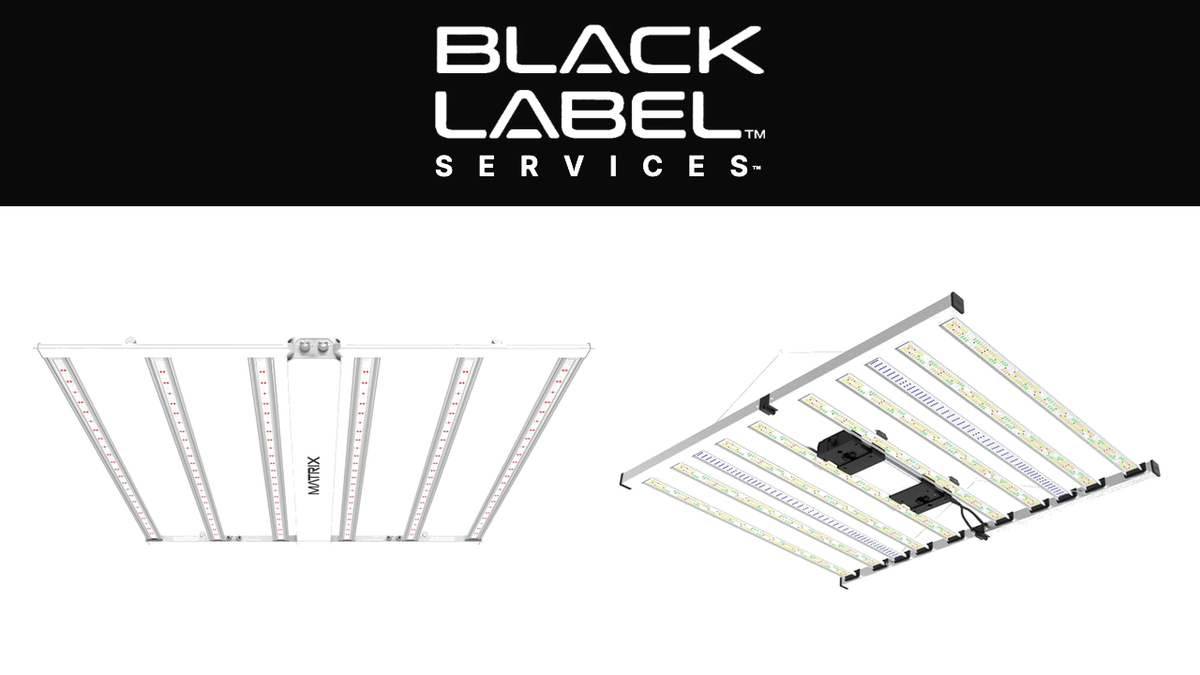
Lighting is usually the largest single line in a retrofit budget, and it is where energy savings are easiest to model. When comparing fixtures, line up photosynthetic photon efficacy, coverage for your canopy size, controls compatibility and how the fixture fits your racking or ceiling height. Full-canopy top lights such as the Matrix VEGA Dyna Series and the ThinkGrow Model-I plus are good reference points, and bar-style fixtures cover multi-tier and high-density layouts.

Check for utility rebates before you order. A large share of U.S. utilities now offer horticultural lighting incentives, and most of them share a few rules:
- The exact model usually has to appear on the DesignLights Consortium (DLC) Horticultural Qualified Products List. A logo on a spec sheet is not enough; confirm the model number on the DLC site.
- Many programs require pre-approval before you sign a purchase order. Approval commonly takes several weeks and can take longer, so a project started in mid-December may miss the calendar year.
- Program budgets can run low late in the year, and some programs exclude certain crops. Call your utility representative to confirm funding and eligibility.
- Most require a commercial electric account, and new construction is often calculated differently from a retrofit.
Climate control and dehumidification
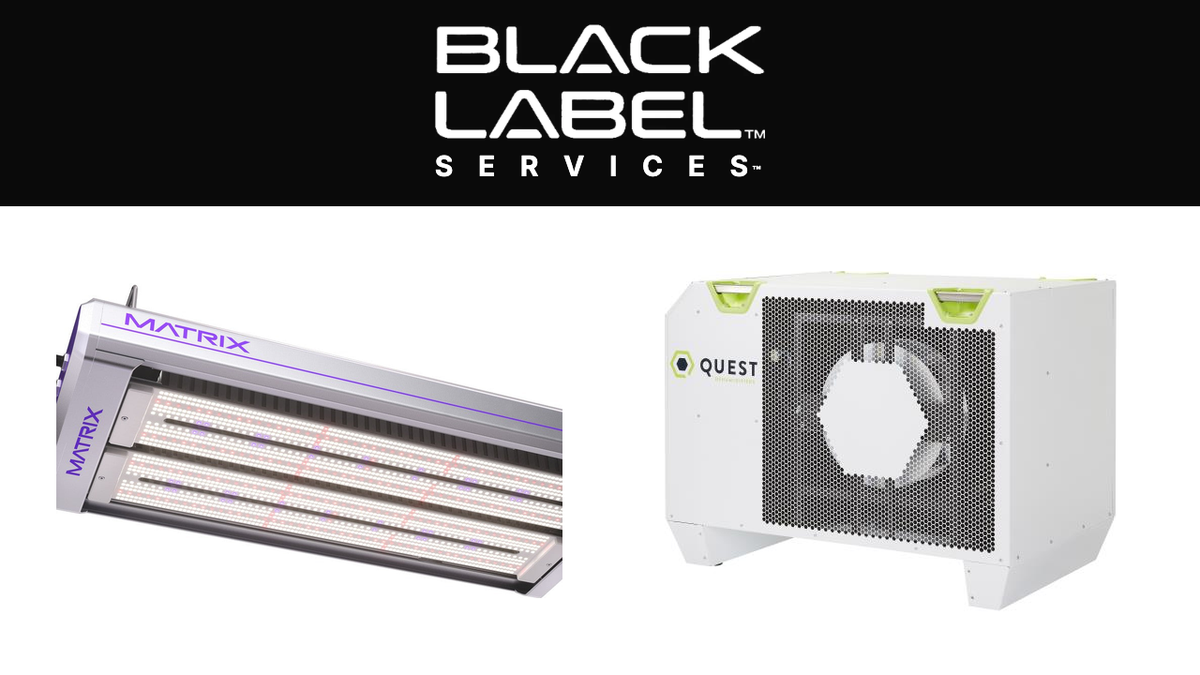
Undersized dehumidification shows up as humidity spikes after lights-off, slow dry-downs and disease pressure late in flower. If your rooms ran near capacity this year, size for next year's plant count and irrigation volume, not this year's. Ducted and overhead units such as the Quest 746 overhead dehumidifier are built for commercial flower and dry rooms; the full dehumidification range covers other capacities and voltages.

Climate projects usually involve electrical and mechanical trades, so confirm voltage, condensate routing and mounting before the unit is ordered. Lighting and climate upgrades should also be planned together: a change in fixture heat load changes the cooling and dehumidification load in the same room.
Water, irrigation and fertigation
Water systems rarely fail all at once; they drift. Rising RO reject rates, clogged emitters and inconsistent EC at the dripper are all signs that something upstream needs attention. Year-end is a good time to budget for:
- RO capacity and membranes. If you added rooms this year, check whether your system still covers peak daily demand. Commercial units like the AXEON LC-750 are a good starting point.
- Filtration ahead of the irrigation zones. Self-cleaning filters such as the Netafim 2 in Compact Disc-Kleen reduce emitter clogging and manual screen cleaning.
- Injection and dosing. Moving from hand-mixed tanks to automated nutrient dosing, such as the Growlink Nutrient Delivery Kit (NDK) or the Dosatron D14 series, makes feed more repeatable across rooms.

Benching, racking and room layout
Rolling benches and multi-tier racking change how much canopy a room can hold, so they are usually the biggest-ticket item on the list and the one that most needs design time. These systems are engineered to the room, which means drawings, load calculations and coordination with lighting and irrigation before anything ships. Manufacturers such as CM Horticulture build custom rolling bench and multi-tier racking systems; see the benching and racking system design collection for the full lineup. If a layout change is on next year's plan, start the design conversation now even if installation lands after the new year.

Tax timing: talk to your advisor early
Equipment purchases and their timing can affect your tax picture. Before committing to year-end purchases, review your project list with your tax advisor or CPA. We are not tax advisors, and nothing here is tax advice.
Don't forget next year's consumables
Capital projects get the attention, but the same planning cycle is the right time to set first-quarter quantities for media, nutrients, sanitation products and PPE. Locking in what each site uses per cycle makes reorders predictable and keeps sites on the same products. For sanitation products, crop-protection products and PPE, always follow the product label and SDS.
A simple year-end timeline
- October: Complete the room-by-room audit, rank projects and request quotes for anything with design or engineering work.
- Early November: Confirm utility rebate eligibility and submit pre-approval applications; review the project list with your tax advisor.
- Late November: Finalize orders for anything you plan to have installed before year-end, and schedule electricians and installers.
- December: Install, commission and document equipment, and set first-quarter consumables quantities.
How BLACK LABEL can help
Our team works with single facilities and multi-state procurement groups on lighting, climate, water, benching and consumables, from one-room retrofits to full-facility projects. Approved accounts see their pricing when logged in. New buyers can submit an account application, and our team reviews and approves it.
For quotes, project scoping or procurement-team ordering, email commercialservice@blacklabelsupply.io.